A merger does not create alignment by itself
Businesses can be structurally combined while leaders continue operating through different histories, assumptions and habits.
 Book a discovery call
Keystone Education Group · Client case study
How Keystone Education Group built greater alignment, confidence and a shared operating system for the journey ahead
Keystone Education Group was bringing together three businesses across multiple European regions. The organisational structure had changed. The next challenge was helping leaders with different histories, operating styles and regional perspectives become one effective leadership team.
Book a discovery call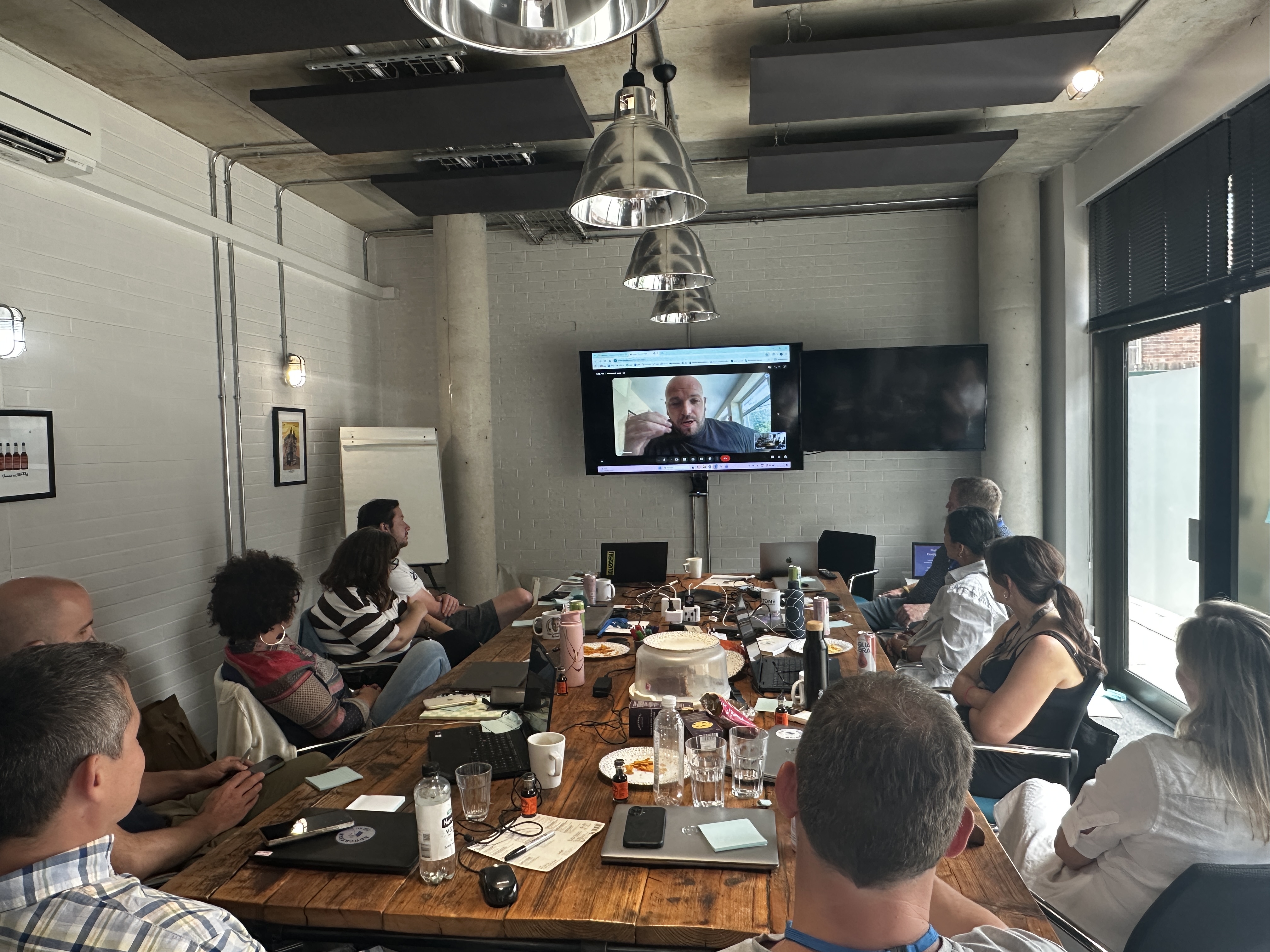
The engagement at a glance
The context
Bringing businesses together changes reporting lines, responsibilities and organisational charts.
It does not immediately create shared expectations about how leaders communicate, make decisions, challenge each other or follow through.
Different businesses naturally bring different histories, habits and assumptions. Leaders may be committed to the same destination while holding different views about how to get there.
This is not necessarily a sign of bad intent. It is often the result of people trying to operate in a new system without yet having a shared way of working.
Keystone wanted to give its newly combined leadership group the space and structure to align around the journey forward.
The challenge
Keystone Education Group had brought together three businesses operating across multiple European regions.
The work needed to create:
The aim was not to diagnose or publicise internal problems. It was to help the leadership team build the foundations it needed for the future.
The principle
Alignment cannot simply be presented to a leadership team in a finished slide deck.
If leaders are expected to use a new way of working, they need to be involved in creating it.
Rituals for Performance used discovery, facilitation and product-development methods to turn the experience of the leadership group into a practical operating system.
The workshop was an important moment, but it was not the final product. The product was the shared system created from the work.
Discovery
Before the leadership team came together, Rituals for Performance held planning sessions with Keystone’s Managing Director and executive sponsor.
This established the purpose of the engagement, the leadership context, the desired outcomes, the areas requiring exploration, the structure of the off-site and what would need to happen afterwards.
Leadership discovery interviews were then conducted before the session.
These conversations helped surface perspectives, identify common themes and prepare the team for more honest and productive discussion.
It meant the off-site did not begin with a cold start. The work already reflected the experience and context of the people in the room.
The off-site
The off-site brought the leadership group together to explore how it wanted to operate.
The team worked through areas including first-team mindset, shared values and leadership behaviours, decision-making, meeting effectiveness, risk and failure planning, workload and business pressure, constructive challenge, inclusion of different voices, accountability, tough conversations and cultural integration.
The room generated hundreds of Post-it notes, A1 sheets, reflections, ideas and decisions.
This raw material mattered because it came from the team itself.
The role of Rituals for Performance was to create the conditions for open contribution, help the group reach useful conclusions and then turn those conclusions into something the leadership team could continue using.
From belief to practice
Values can create useful direction, but they only influence performance when people know what those values look like in practice.
The Keystone work followed a clear design chain:
This moved the conversation beyond what the team believed and into how the team would operate.
The resulting system could support real leadership moments such as preparing decisions, running meetings, raising concerns, managing pressure, challenging constructively and maintaining accountability.
The product
After the off-site, the Rituals for Performance product team synthesised the material created by the leadership group.
The team’s discussions and decisions were translated into a working leadership playbook and Ritual Operating System™.
The operating system included practical guidance around first-team agreements, leadership behaviours, decision-making principles, meeting practices, constructive challenge, accountability and follow-through, risk preparation, team communication, values translated into rituals, and implementation and review.
The exact contents were designed for Keystone and remain confidential.
The important distinction is that the engagement did not end with workshop notes or a summary presentation. The thinking generated by the team became a practical product for the team.
Participant reflections
One of the most significant discoveries was that the businesses and leaders were more aligned than they had assumed.
“We’re not so far apart in terms of thinking.”Participant reflection from the leadership off-site
“I’ve been under this impression that our cultures are so different, but after today, I feel like that’s not the case at all.”Participant reflection from the leadership off-site
“I feel confident in everyone’s ability to contribute.”Participant reflection from the leadership off-site
“If we are given the opportunity to work with a structure where we actually can keep the structure that we define… big things can be achieved.”Participant reflection from the leadership off-site
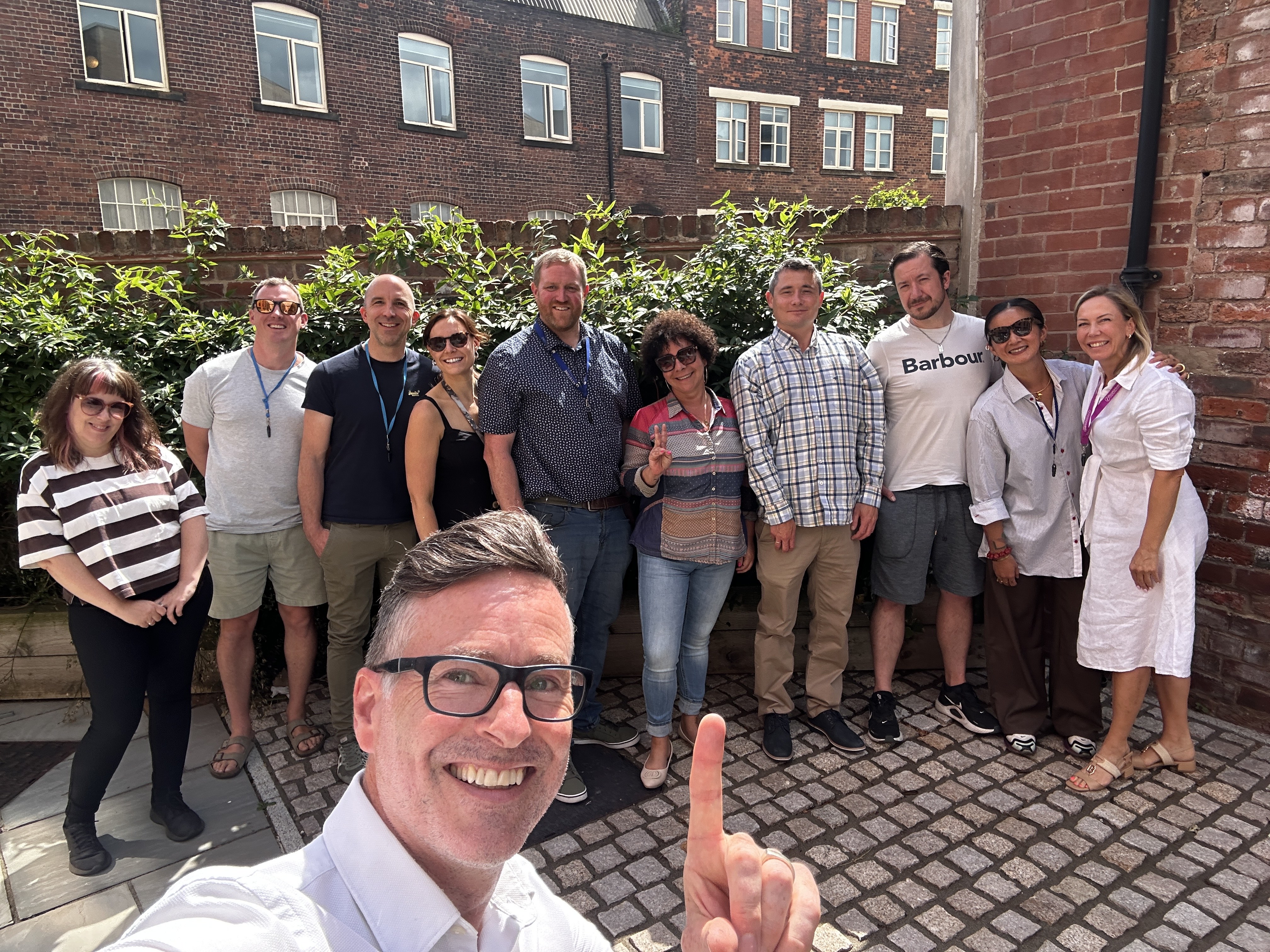
Other leaders described feeling more optimistic, more excited about working together, more confident in the group, more reassured by their shared principles and values, and more confident in everyone’s ability to contribute.
These are participant reflections from the leadership off-site. They demonstrate how the leaders felt at the end of the session, rather than claiming a completed long-term transformation.
What came next
The leadership group did not mistake a successful off-site for completed integration.
Participants recognised that the next challenge would be implementing the agreements, maintaining accountability, prioritising the work, continuing when pressure returned, navigating future disagreement, supporting adoption in the teams below and sticking to the new ways of working.
That realism strengthened the work.
The purpose was not to create a temporary feeling of alignment. It was to create a shared system capable of supporting the team when agreement became harder.
Implementation
The engagement continued through follow-up implementation planning, review and iteration.
In those sessions, leaders demonstrated active ownership of the system. They contributed ideas, worked through implementation questions and considered how the new practices would affect the teams below them.
This matters because a leadership operating system cannot remain a document owned by a facilitator or executive sponsor.
It needs to become a live product that the leadership team uses, tests and improves.
The purpose of measurement is not simply to prove that people enjoyed the workshop. It is to ask whether the new system is improving efficiency, reducing duplication and helping leaders redirect time towards more focused output.
No quantified commercial outcome is being claimed for the Keystone engagement at this stage.
The Managing Director’s perspective
“Bringing Rituals for Performance in was a turning point for our leadership team. It helped us see that we’re far more aligned than we realised, and now we’ve got clear systems and next steps to turn that into execution. I’d recommend them to any senior team that’s serious about stepping up together.”Rob Hardy
What this case study demonstrates
Businesses can be structurally combined while leaders continue operating through different histories, assumptions and habits.
Co-creation creates relevance, ownership and a stronger foundation for implementation.
The lasting output is the operating system created from the work.
Values become useful when they are translated into behaviours and repeatable rituals.
The real test comes through implementation, accountability, measurement and iteration.
Leaders need shared ways to make decisions, challenge each other, manage pressure and support collective outcomes.
Bringing businesses together?
A 30-minute discovery call can help us explore your current integration context, where leadership alignment is most important, the risks created by different legacy ways of working, whether a Ritual Operating System™ could help, how leadership discovery and co-creation would work, and what implementation and measurement could look like.