High-Performance Teams 
Don’t Need More Training.
They Need Better Ways of Working.

If This Feels Familiar, You’re Not Alone...

These challenges below aren’t assumptions or trends.

They come from thousands of hours working with founders, CEOs, managers and leadership teams in fast-growing businesses.
 Across interviews, diagnostics, workshops and live delivery, the same patterns show up again and again, regardless of sector.

We see these as seven predictable pressure points that emerge as businesses scale.

The 7 Points of Pain  

1. Communication and feedback start to fracture.
Messages get diluted, important conversations are missed, and managers become the bottleneck for clarity.

2. Accountability becomes individual, not collective

People work hard, but shared ownership of outcomes weakens. Responsibility fragments.

3. Leaders carry too much context in their heads

Decision-making slows because clarity lives with individuals, not the system.

4. Trust erodes under pressure, not intent

Psychological safety drops when pace increases, even in well-intentioned cultures.

5. Priorities blur as work shifts and multiplies

Teams stay busy, but focus and alignment drift, especially during change.

6. Capability gaps widen faster than development

Managers are promoted into pressure without the structures to lead well.

7. Culture becomes fragile instead of resilient

What once felt strong starts to rely on heroics rather than repeatable ways of working.

What This Quietly Costs your Business

Through hundreds of hours of interviews, diagnostics and live work with leaders and teams, we consistently hear the same thing.

88% of people tell us there was a moment when something important should have been said, but wasn’t.

Missed conversations don’t disappear.


They compound.

• Slower decisions and duplicated work

• Missed conversations that later become issues

• Burnout in your most responsible people

• Reduced ownership at team level

• Results that plateau despite effort increasing

When accountability lives with individuals instead of the system, performance always leaks.

Why Rituals Work Where Training
and Strategy Don’t

High-performing teams aren’t braver people.


They have better systems for saying the things that matter, when they matter.

That’s the role rituals play.

1. Environment beats intention

Rituals redesign how work happens so good behaviour is the default.


2. Collective accountability beats personal pressure

Teams own outcomes together instead of leaders carrying everything.


3. Small, repeatable actions beat big initiatives

5–10 minute rituals embedded into real work create lasting change.


Rituals turn culture into something teams do, not something leaders talk about.

What Leaders Say After Embedding Rituals

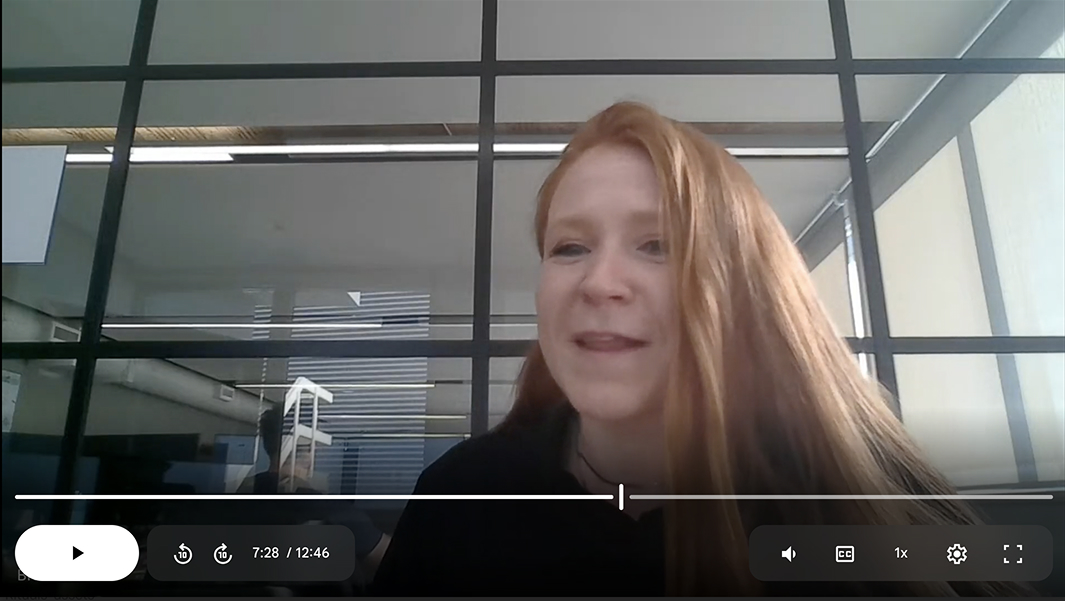
A great team facilitator. Energises the room with memorable insight and motivation.

Lindsay Fletcher
Global Head of L&D, Allianz Commercial

Rituals for Performance have the positive will to create intelligent initiatives that become company USPs.

Liz Bromley
CEO, NCG

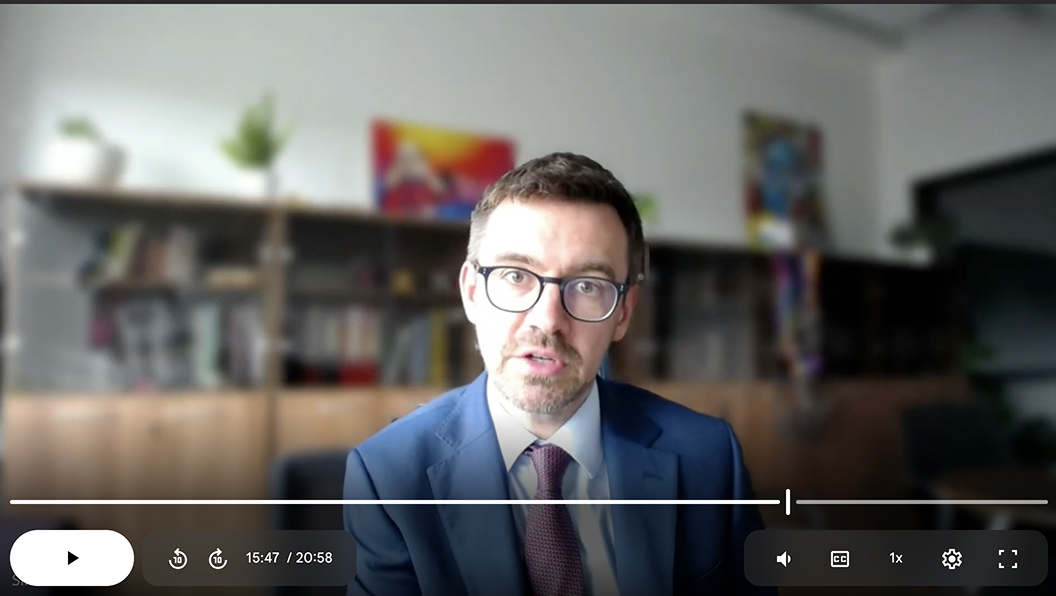
Nick attended a meeting where all our senior leaders across the organisation were present. Nick brought an energy into the room which generated enthusiasm from what is ordinarily a tough audience to engage.  Nick’s presentation style is honest and relatable whilst enabling complex people challenges to be broken down into understandable and manageable actions.

Lorissa Page
OD & Workforce Lead, SWL NHS

They have a great understanding of the ingredients for team culture a knack of delivering concepts that stick, underpinned with the evidenced experience of how to make it work. Know how to listen, adapt and importantly how to win over the support of the leadership team with solutions that are refreshingly practical and easy to action.

Helen Rickards
Global Head of Culture and Belonging, Allianz Commercial

Nick brought together dispersed global teams, in a rapidly expanding workforce. He orchestrated a programme to revamp brand values and vision, doing an incredible job of including everyone in the journey. The outputs of his strategy and the assets created drove significant increases in team cohesion and alignment.

Dr Kris Naudts
Founder, Culture Trip

Built From Real Work, Not Theory

far more than just coaching copy here - sustainible embeded and impact

Thousands of hours working with leaders, teams and founders

Used in fast-growth businesses, regulated environments and complex teams

Informed by behavioural science, not trends

Designed and refined in live environments, not workshops

We dont change people, we change the environment

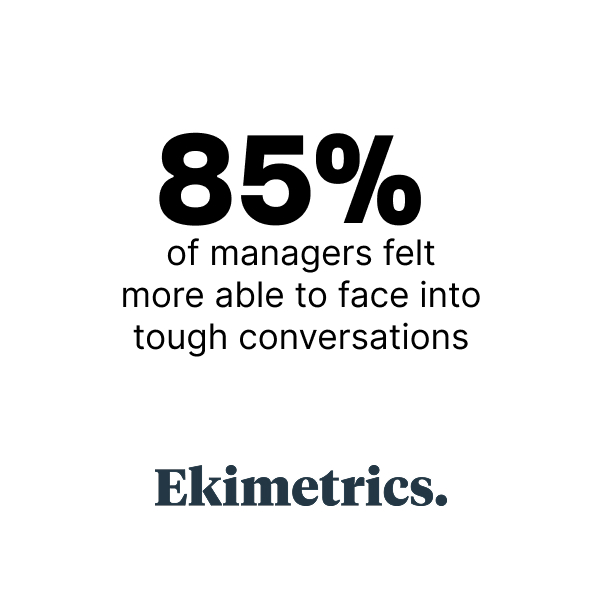
“What stands out about the Rituals framework is the immediate impact, and for the team to have things they can take away and use from day one.

The energy, insights and alignment with our performance goals have been exceptional. Honestly Rituals for Performance are great”

Matt Andrew GM, Ekimetrics

Low-Barrier by Design. Day one impact and high team ownership

Low-Barrier by Design. Behavioural Technology

Rituals are short, role-based and repeatable

They plug into existing meetings, tools and workflows

They don’t require new platforms or behaviour policing

They create permission, not pressure

Rituals work because they change the environment people operate in, not the people themselves.

Tech Stack Friendly

Rituals embed into the tools teams already use. Into calendars, meetings, stand-ups, project workflows, rather than asking people to adopt something new.

This dramatically lowers friction and increases adoption.

Why This Reduces Implementation Risk

• No heavy rollout

• No dependency on energy or motivation

• No “champion fatigue”

• No shelfware

If a ritual doesn’t get used, it doesn’t survive.
 That’s intentional design.

From Behaviour Change to Business Impact

We measure what changes because leadership teams need to know this isn’t just “good culture work”.

Across our impact studies, we consistently see that every 5 minutes invested in the right ritual reduces around 35 minutes of wasted effort caused by rework, miscommunication and avoidable inefficiency.

What That 35 Minutes Saved Really Means


• Fewer repeated conversations

• Less rework due to assumptions

• Faster alignment before execution

• Earlier course correction

• Reduced manager intervention

This isn’t about working faster.
 It’s about removing friction that shouldn’t be there.

What Happens in a Discovery Call

Simple 3-step flow for our 30 minute Discovery calls:

1. Understand where performance is leaking right now

2. Identify where rituals would create the biggest lift

3. Decide together if it’s worth exploring further. We might not be the right partner for you, but it will be a valuebale knowledge exchange for both of us.

This Is For:

• Owners and leaders who care about results and people

• Teams under real pressure to deliver

• Businesses ready to change how work actually happens


This Is Not For:

• Box-ticking training buyers

• Culture theatre

• Quick-fix motivation programmes

What is the line that gets you to take an action... what should the buttons be...